





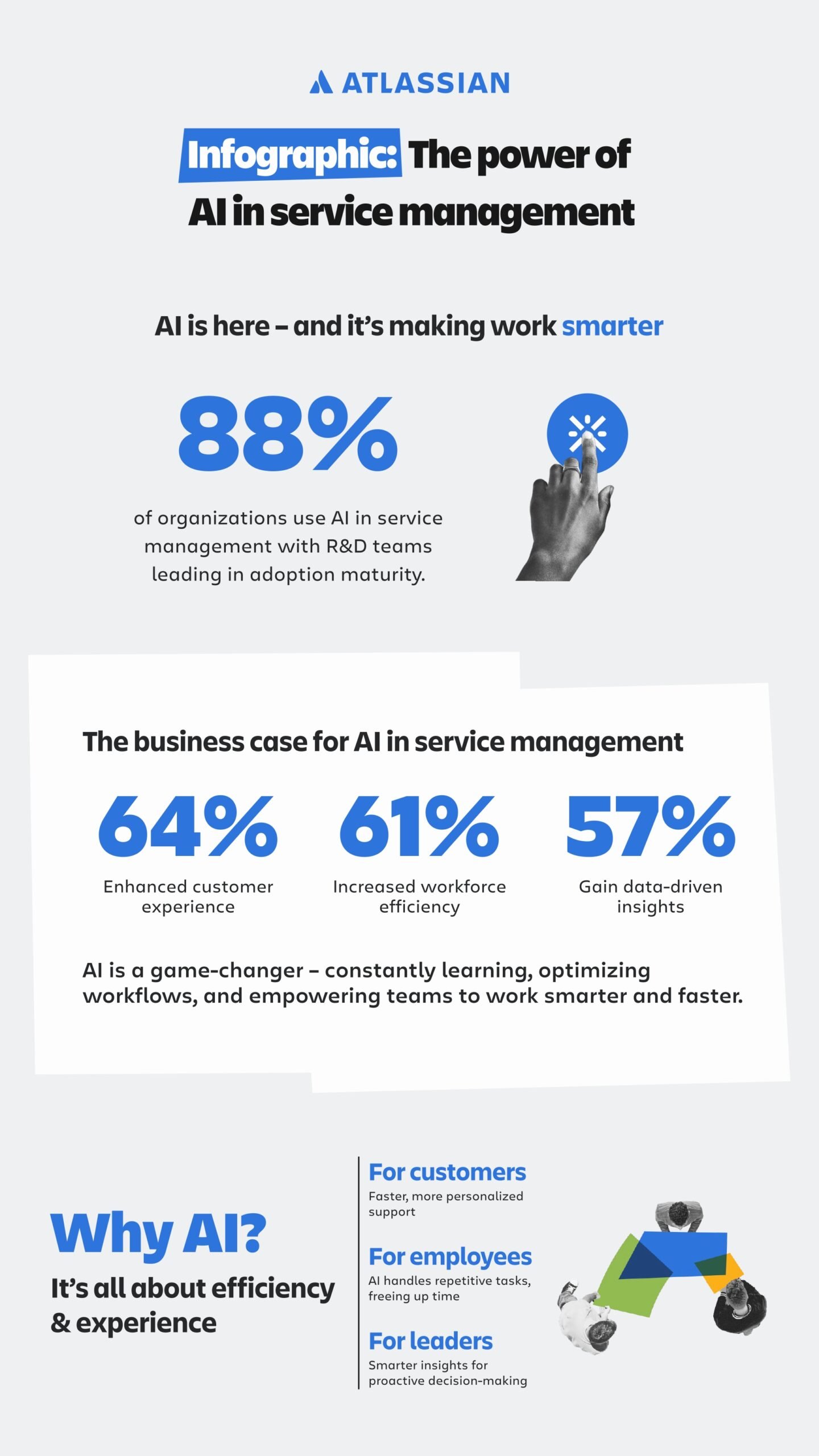
Service management is no longer about handling tickets faster. It’s about anticipating demand, reducing operational noise, and enabling teams to focus on work that actually moves the business forward.
Today, the pressure on service teams is coming from every direction. Technology estates are larger and more interconnected. Employees expect consumer-grade service experiences at work. Incidents travel faster across digital systems, and downtime has direct business consequences. At the same time, service teams are being asked to deliver more value without proportional increases in headcount or tooling.
This is where AI-powered service management is beginning to change the equation.
Not as a futuristic promise, but as a practical operating model shift, one that is already visible in how organizations are using platforms like Jira Service Management or Atlassian’s Service Collection today.
From ticket handling to service intelligence
Traditional ITSM tools were built to record work after it happened.
AI-powered service management focuses on understanding what is happening while it happens and increasingly, before it happens.
Atlassian’s research in the State of AI shows that high-performing service teams are no longer optimizing for ticket throughput alone. Instead, they are using AI to:
- Reduce noise before it reaches humans
- Surface context automatically
- Guide decisions in real time
- Create consistency across teams and regions
This marks a shift from process enforcement to decision enablement.
How AI is changing service management in practice
AI-powered service management is not a single capability. It is a set of tightly connected features that reduce friction across the service lifecycle: from request intake to resolution and learning.
AI-Powered Service Management Is a System, Not a Feature
Modern service environments are complex: distributed teams, hybrid infrastructure, rising ticket volumes, and increasing expectations for speed and experience. AI addresses this complexity by embedding intelligence directly into service workflows rather than layering automation on top.
Platforms like Atlassian are leading this shift by integrating AI deeply into Jira Service Management, enabling teams to operate with context, speed, and confidence at scale
Intelligent Request Intake and Routing
In large organizations, service requests rarely arrive with clean categorization. Employees describe issues in free text, emails, or chat messages, often without knowing which team owns the service.
AI improves this first and most critical step by:
- Understanding intent from natural language requests
- Automatically classifying and prioritizing tickets
- Routing work to the correct team based on historical patterns and service context
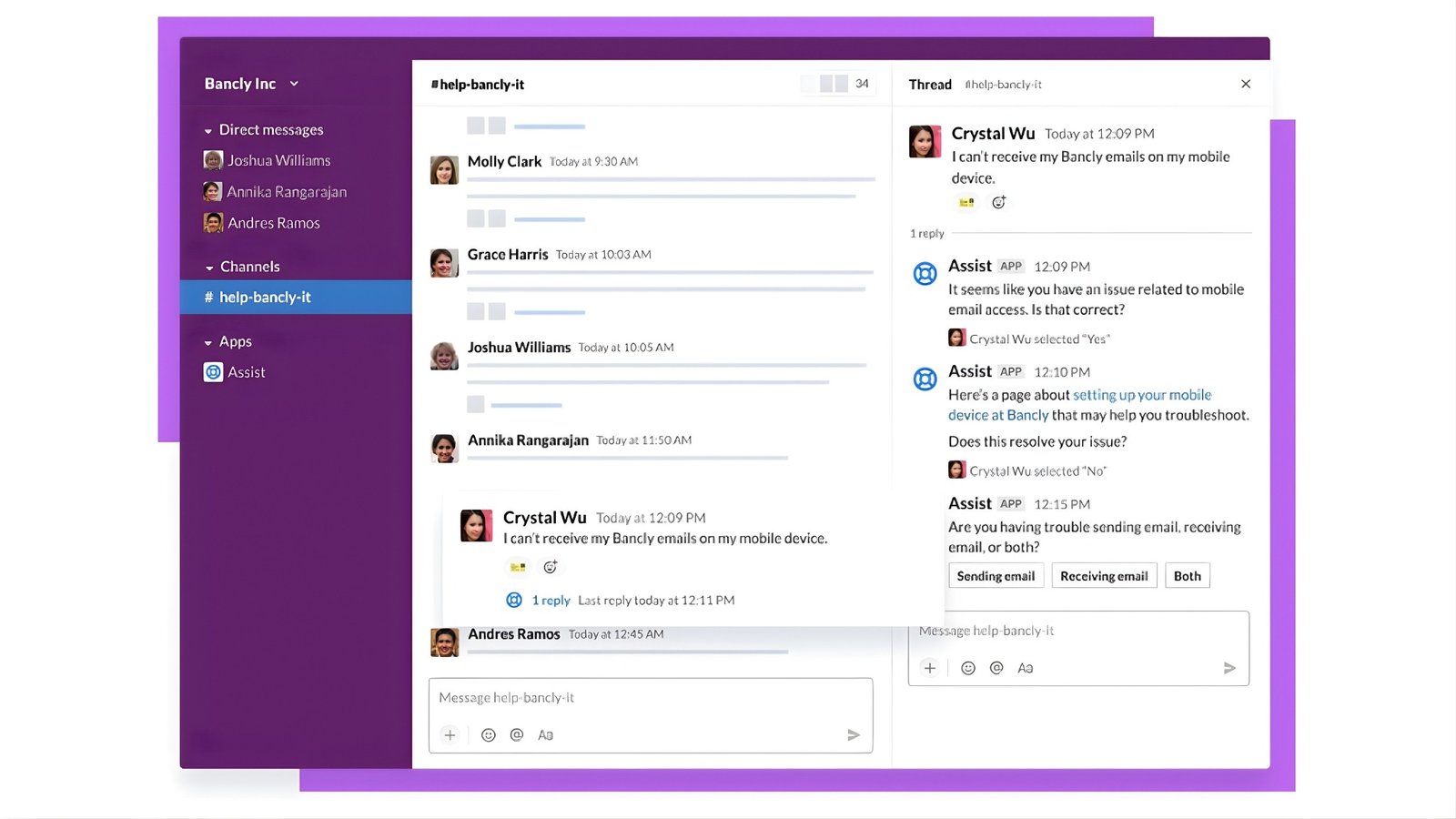
This reduces manual triage, eliminates unnecessary reassignment, and ensures faster time-to-first-response. Operationally, teams see improved SLA adherence and lower cognitive load for agents, a consistent challenge highlighted in Atlassian’s service management research.
Context-Aware Incident Management with AIOps
Incidents today are rarely isolated events. They are often connected to recent changes, upstream dependencies, or recurring patterns that are difficult to identify during high-pressure situations.
AI-powered incident management connects:
- Alerts and monitoring data
- Recent deployments and change records
- Historical incidents and ownership information
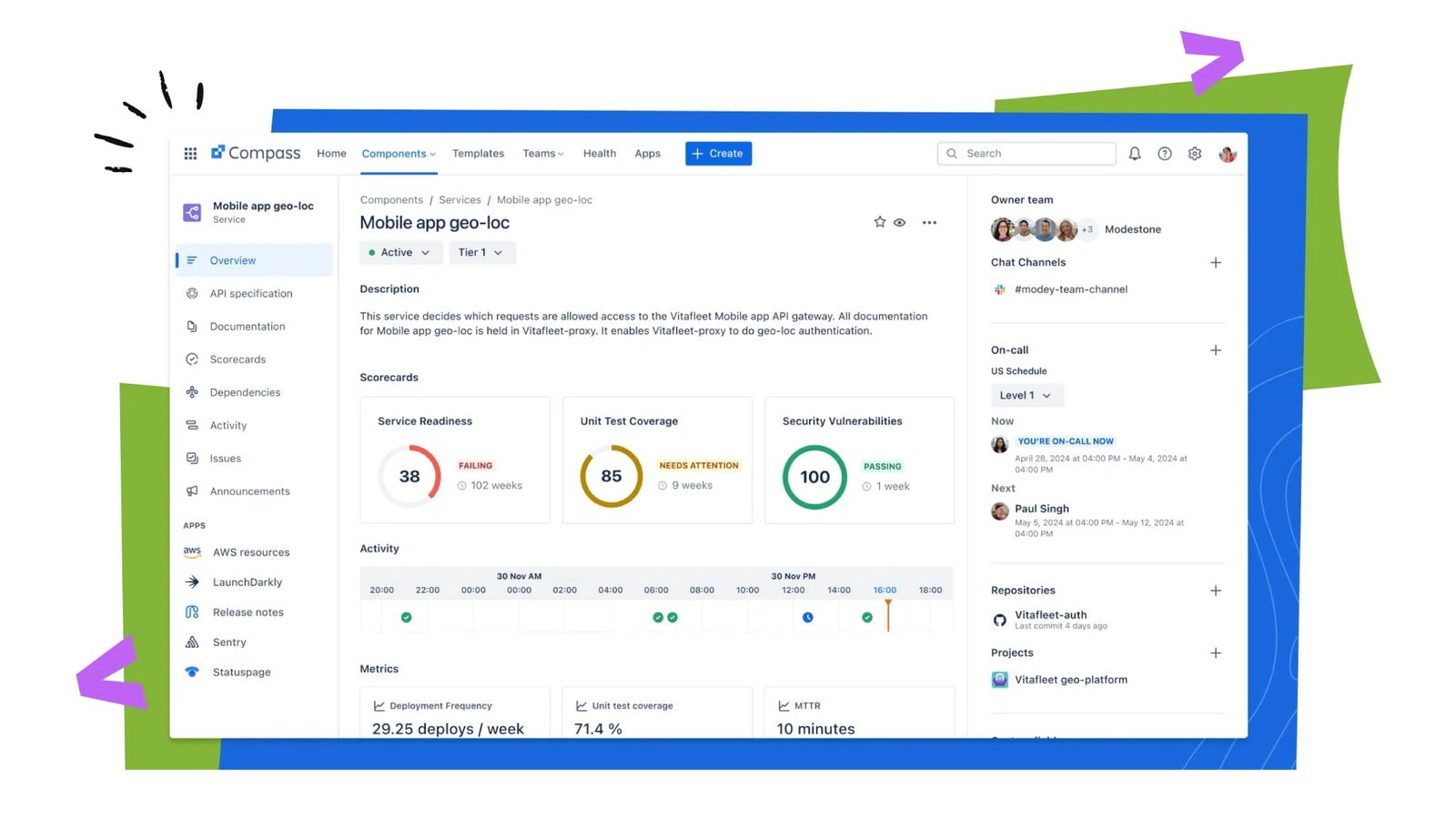
Instead of starting investigations from scratch, responders are presented with likely causes, related incidents, and recommended actions directly within the incident workflow. Atlassian’s AIOps capabilities further extend this by using AI agents to surface probable root causes, suggest responders, and even draft post-incident reviews in seconds. The result is faster containment, fewer escalations, and improved service resilience, especially critical for high-availability environments.
Knowledge That Actively Drives Self-Service
Knowledge bases only create value when information is surfaced at the right moment. AI fundamentally changes this by embedding knowledge directly into service interactions.
Key AI-driven improvements include:
- Automatic knowledge article suggestions during request creation
- Contextual recommendations for agents during resolution
- Identification of documentation gaps based on repeated unanswered questions
Over time, this creates a self-improving knowledge system that increases self-service adoption and reduces repeat tickets without adding documentation overhead for service teams.
Agent Assistance and Productivity at Scale
AI does not replace service agents; it augments them. In practice, AI improves agent productivity by:
- Summarizing long ticket histories and conversations
- Highlighting key context and risks
- Suggesting next steps, responses, or automations based on similar cases
This ensures consistent service quality across teams and significantly reduces dependency on individual experience. For enterprises operating at scale, AI shortens onboarding time for new agents while enabling experienced agents to focus on complex, high-impact issues.
Extending Service Management Beyond IT
AI-powered service management is no longer limited to IT. Organizations are increasingly applying it across HR, Facilities, Finance, Legal, and other shared services.
AI enables business teams to:
- Launch service desks faster using AI-generated request types and templates
- Handle routine employee queries through virtual agents
- Manage approvals and sensitive workflows with appropriate access controls
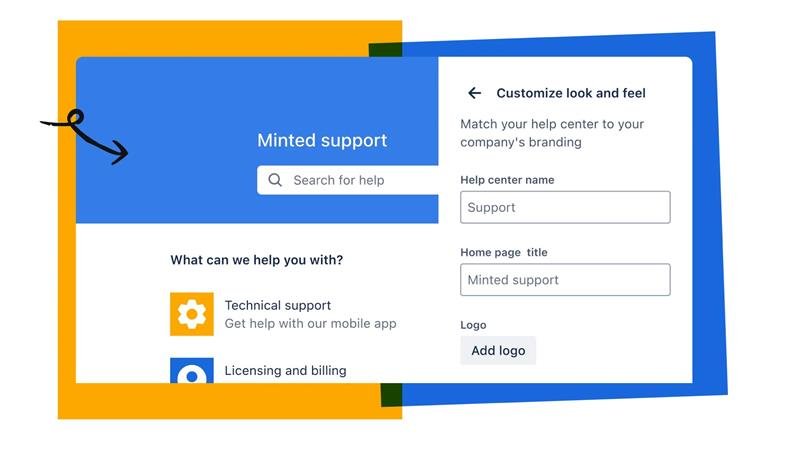
Atlassian’s research shows strong adoption of AI in HR service management, including onboarding, off-boarding, and employee self-service — all delivered through a unified platform rather than fragmented tools
Why this matters at enterprise scale
The real value of AI in service management is not automation alone. It is operational clarity.
By reducing noise, surfacing relevant context, and embedding intelligence into everyday workflows, AI allows service teams to operate with:
- Greater predictability
- Faster resolution times
- Better service experiences
- Scalable operations without proportional headcount growth
This is why service management has become one of the fastest-growing areas of AI adoption across enterprises
How an Atlassian Platinum Partner helps
AI delivers value only when it is embedded into real service workflows.
enreap as an Atlassian Platinum Partner helps organizations design, implement, and scale AI-powered service management on Jira Service Management, turning automation into measurable operational outcomes.
From AI-ready service design and intelligent ITSM implementations to governance and adoption, enreap ensures AI improves speed, clarity, and service performance, not complexity.
👉 Ready to operationalize AI in your service management? Talk to enreap’s experts and see how AI can deliver real impact.