


Ruchika Mohite
As a Marketing Strategist with over 10+ years of experience, I develop and execute go-to-market strategies for enterprises across India, Southeast Asia, and the Middle East based on Atlassian solutions.
In April 2025, at Team ’25, Atlassian introduced the Teamwork Collection as a foundational shift in how organisations collaborate, align, and deliver outcomes. Rather than positioning tools as standalone products, Atlassian brought together Jira, Confluence, Loom, and Rovo AI agents into a single, curated collection designed to support how work actually flows across teams.
This announcement marked an important milestone in Atlassian’s broader System of Work vision. The focus moved decisively from managing tasks to enabling teamwork across technical and business functions, supported by a unified data layer and practical AI capabilities.
As organisations enter 2026 under increasing pressure to move faster, reduce friction, and realise value from AI investments, the Teamwork Collection sets a new baseline for collaborative work in the Atlassian ecosystem.
Most organisations agree on the problem. Delivery speed matters more than ever, yet teams struggle with fragmented information, misaligned goals, and communication overload. Atlassian’s own research highlights the gap clearly. While leaders want faster execution, ineffective collaboration continues to slow teams down, particularly across functions.
The challenge is not a lack of tools. It is the lack of connection between them. Work often lives in silos across project boards, documents, meetings, and chat threads, making it difficult to maintain shared context or momentum.
The Teamwork Collection was designed to address this exact issue. It provides a common collaboration foundation where planning, execution, knowledge, and communication are intentionally connected.
The Teamwork Collection is a curated set of Atlassian applications and AI capabilities packaged as a single solution. It includes:
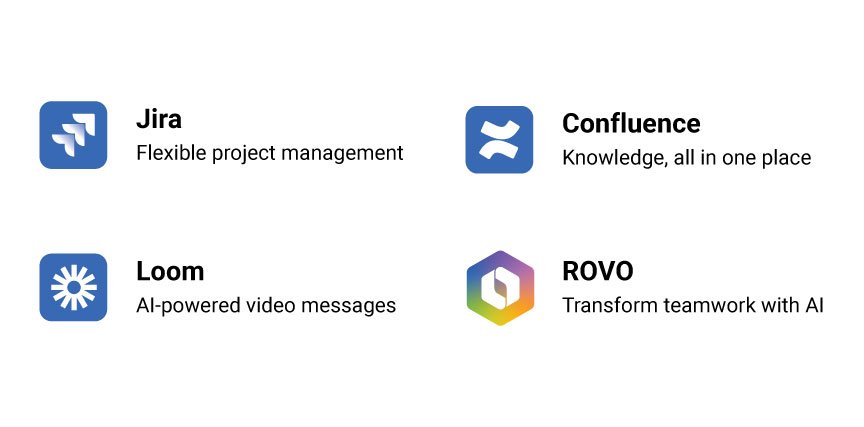
Individually, these tools are familiar to many teams. Together, they form a tightly integrated experience that supports work from ideation through delivery, without losing context along the way.
The Collection is available in Premium and Enterprise editions, with unified onboarding and simplified purchasing, making it easier for organisations to scale adoption across teams.
One of the most immediate benefits of the Teamwork Collection is improved visibility across work and knowledge. Instead of information being scattered across tools and teams, the Collection enables shared spaces that bring everything together.
Leaders can create a single team space that includes a Jira project for execution, a Confluence space for documentation, and a Loom space for updates and discussions. These spaces can be enriched with links to supporting tools such as Slack, design files, or spreadsheets, and opened up to cross functional stakeholders.
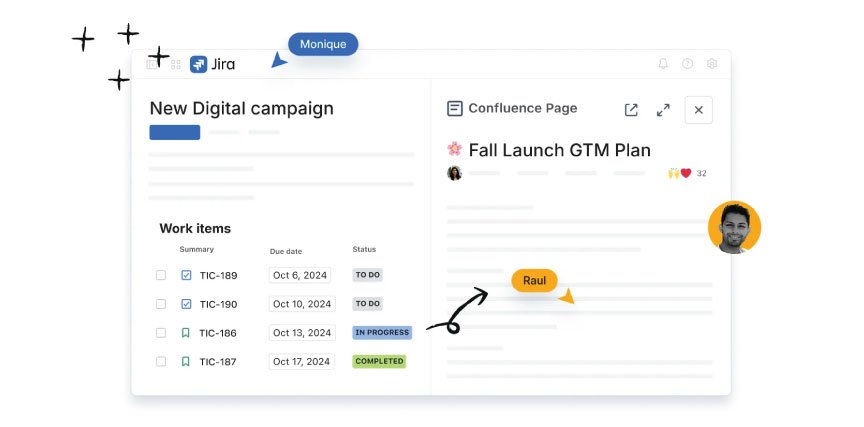
This approach reduces the time spent searching for information and helps new team members or collaborators quickly understand what is happening, why it matters, and how they can contribute.
While many organisations experimented with AI in 2024 and 2025, adoption often remained uneven. Knowledge silos limited AI effectiveness, and teams struggled to apply it meaningfully to day to day work.
The Teamwork Collection takes a different approach. It runs on the Atlassian Cloud platform and is powered by the Teamwork Graph, a unified data layer that understands how work objects such as teams, goals, messages, documents, and tasks relate to one another.
This context is what enables Rovo AI agents to deliver practical value. Instead of generic assistance, these agents can search, reason, and act across Jira, Confluence, Loom, and connected third party tools.
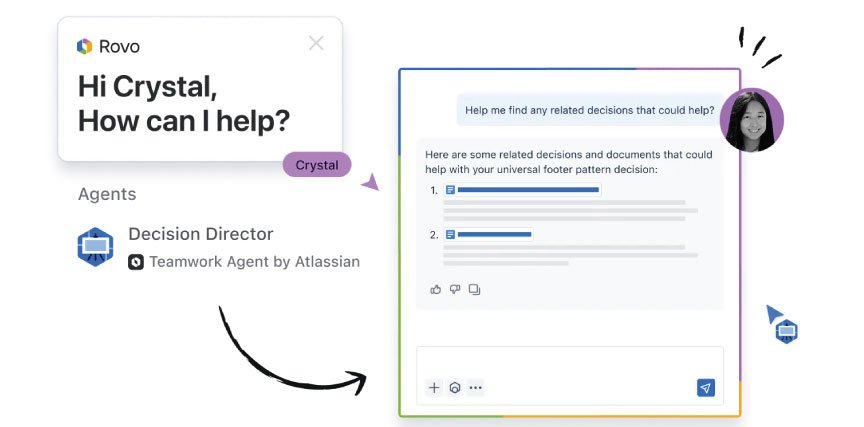
Examples of Rovo agents available or emerging within the Teamwork Collection include:
These capabilities help teams focus on outcomes rather than administration, without introducing yet another layer of tools.
Modern work moves through multiple stages, from brainstorming to planning, execution, and review. The friction usually appears at the handoffs, when context is lost between meetings, documents, and project tools.
The Teamwork Collection reduces this friction by allowing information to flow naturally between apps. Ideas discussed in a Loom meeting can be captured in Confluence, turned into structured work items, and tracked in Jira with full context intact.
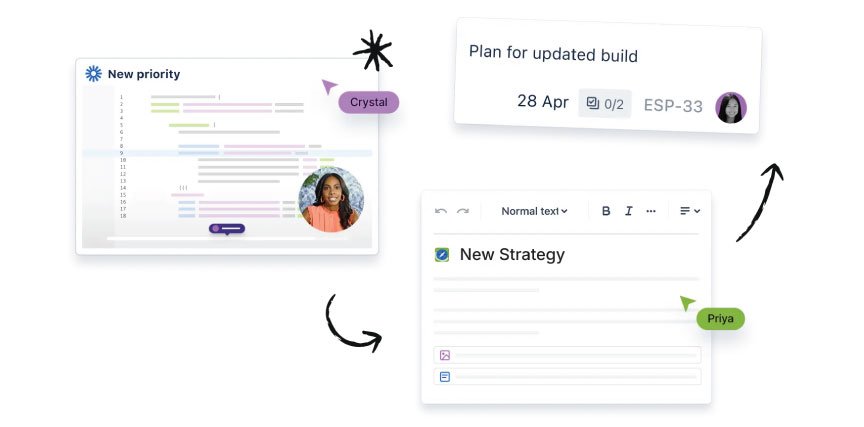
AI further enhances this flow by enriching work items with suggested descriptions, related tasks, and relevant documentation. Teams spend less time clarifying intent and more time delivering value.
The result is not fewer tools, but better connected ones.
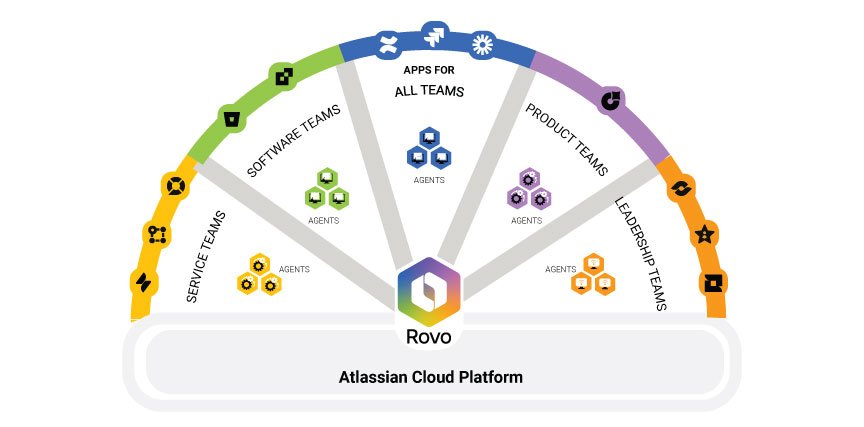
The introduction of the Teamwork Collection is part of a broader shift in how Atlassian structures its portfolio. Collections are designed around outcomes, not individual products.
For the Teamwork Collection, the outcome is effective collaboration across the organisation. It is intended for both technical and business teams and serves as the entry point to Atlassian’s System of Work, which focuses on aligning work to goals, planning and tracking effectively, unleashing organisational knowledge, and realising the value of AI.
For enterprises, this approach simplifies buying decisions while creating a clearer path for adoption and maturity.
As teams look ahead to 2026, the Teamwork Collection sets a clear expectation. Collaboration platforms are no longer just repositories or trackers. They are intelligent systems that connect people, work, and knowledge.
Organisations that approach the Teamwork Collection as a strategic foundation, rather than a bundle of licences, will be better positioned to scale collaboration, improve delivery predictability, and embed AI into everyday workflows.
Adopting the Teamwork Collection is not just a technical exercise. It requires thoughtful design of team spaces, workflows, governance, and change management to ensure teams actually work differently.
enreap helps organisations implement and scale the Teamwork Collection with a clear focus on outcomes. From structured onboarding and configuration to System of Work practices, adoption planning, and AI readiness, enreap supports teams at every stage of their collaboration journey.
As an Atlassian partner, enreap works closely with leadership teams to align the Teamwork Collection with business goals, ensure cross functional adoption, and build a roadmap that evolves as teams mature.
If you are evaluating how to modernise collaboration or preparing for broader Atlassian cloud adoption in 2026, enreap can help you turn the Teamwork Collection into a measurable advantage.