


As organizations grow, collaboration often becomes more complex than it appears.
Teams expand. Functions evolve. Priorities shift faster. And while everyone may be working toward the same business goals, people can still experience work very differently across teams and roles.
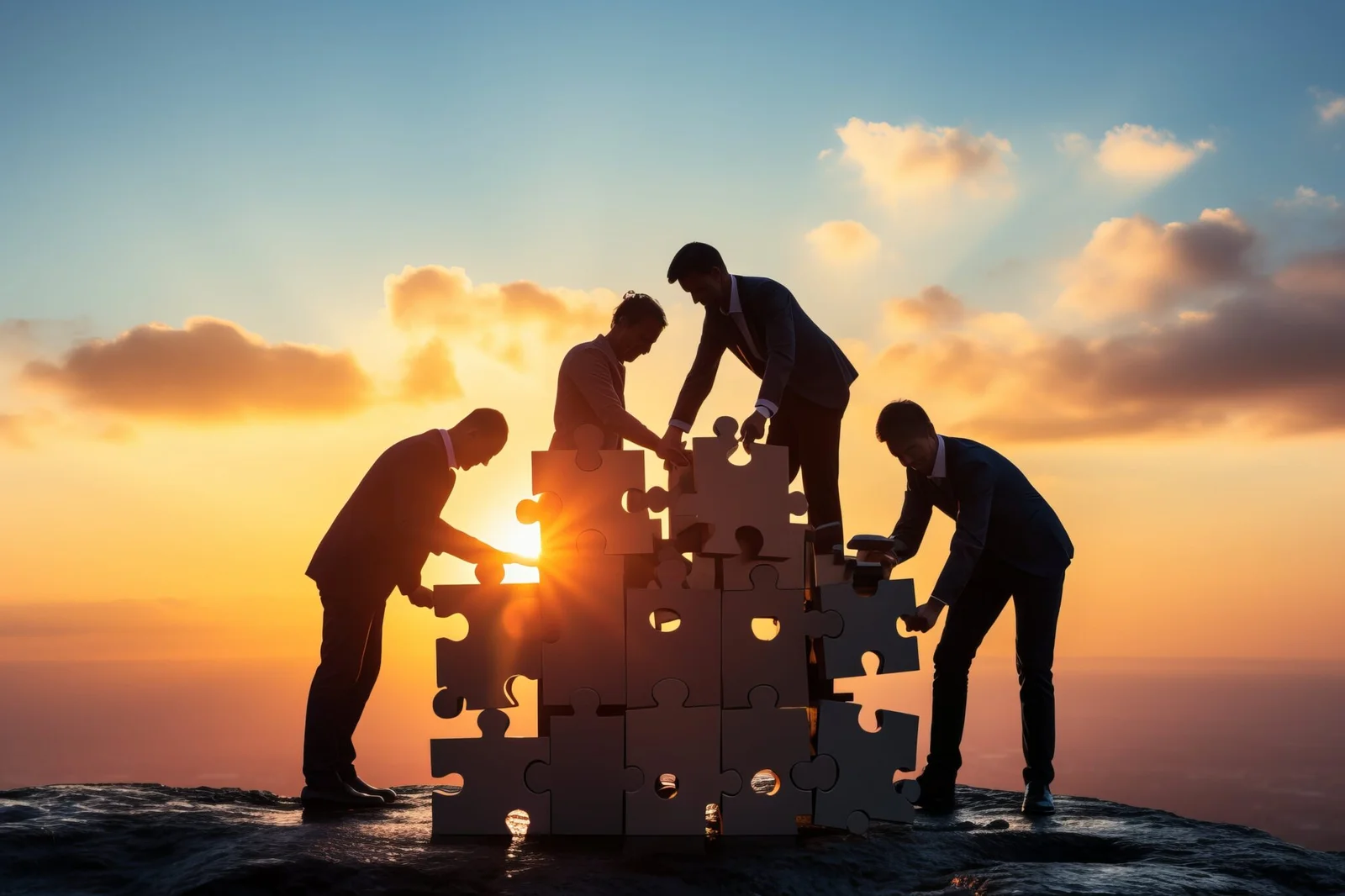
In such environments, alignment is not built through processes alone. It is built through understanding — understanding how people think, communicate, make decisions, and contribute differently to the same outcome.
At enreap, this has been an important area of focus as we continue to evolve as an organization.
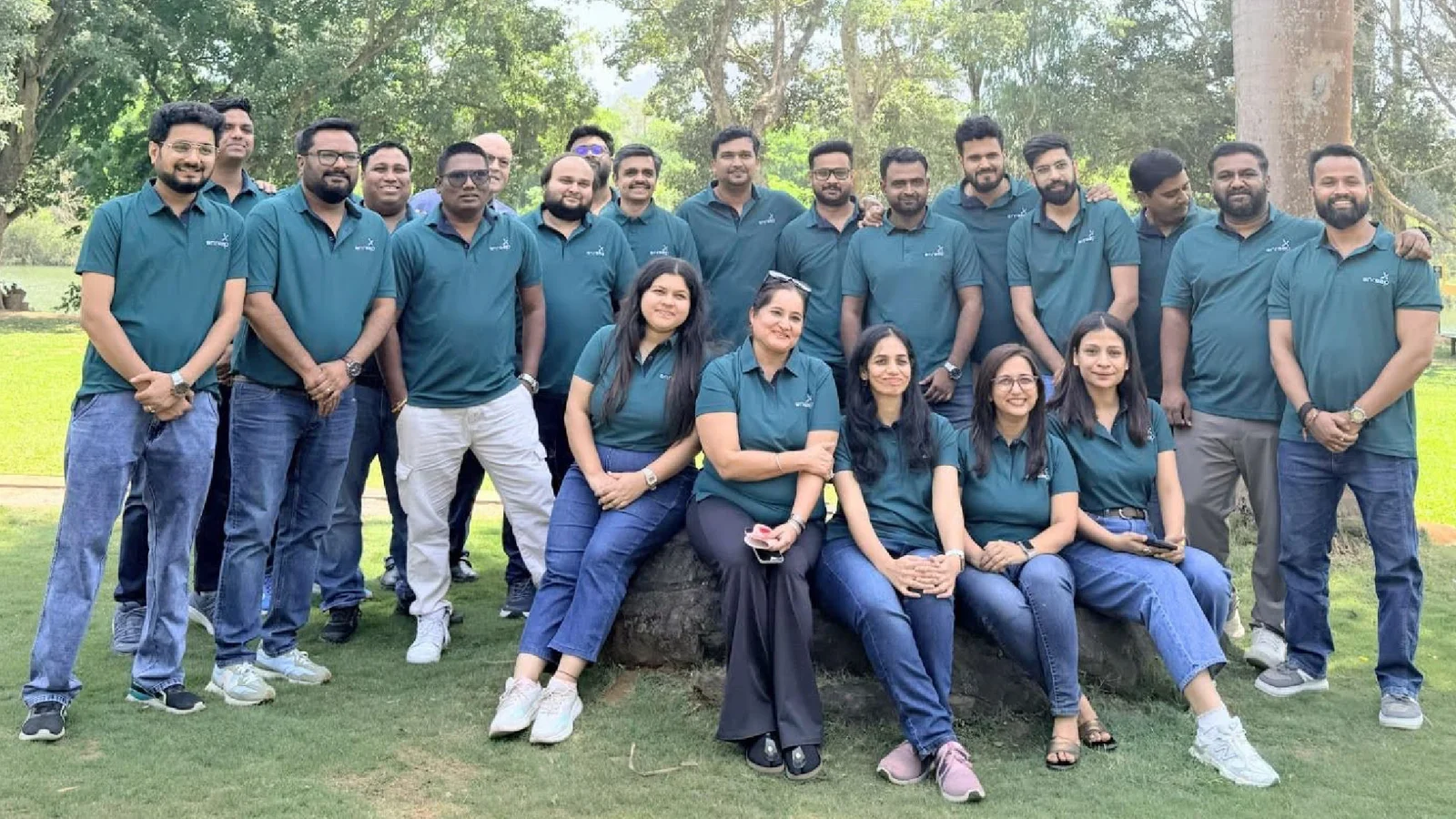
Recently, during our leadership offsite and Synergy Program in Mulshi, we created intentional space for teams to step away from day-to-day execution and reflect on a larger question:
What helps organizations move from working in teams to truly working as one connected system?
The conversations that emerged were not limited to business goals or functional priorities. They centered around something equally important — the human side of collaboration.
Looking beyond functions
One of the key themes explored during the sessions was systems thinking: understanding how teams, behaviors, communication styles, and decisions influence one another across the organization.
Facilitated by ARC (Adi Raheja and Co), the discussions encouraged participants to move beyond functional perspectives and look at challenges more collectively.
Because often, collaboration challenges are not created by intent, but by differences in working styles, communication patterns, and expectations.
When organizations create opportunities for teams to better understand these differences, collaboration becomes more thoughtful, adaptable, and effective.
The role of self-awareness in building stronger teams
An important part of the experience involved the Insights Discovery framework by The Insights Group, which helped individuals reflect on their own working styles, strengths, communication preferences, and areas of development.
The exercise reinforced a simple but valuable realization:
high-performing teams are not built because everyone works similarly. They are built because people learn how to work effectively with different perspectives, energies, and approaches.
In fast-growing organizations, self-awareness becomes an important leadership capability — not just for individuals, but for teams as a whole.
It influences:
- how people communicate
- how conflicts are resolved
- how decisions are made
- and ultimately, how teams create better outcomes together
Culture beyond processes
As organizations scale, it becomes easy for culture to be defined only through frameworks, structures, and processes.
But culture is equally shaped through everyday interactions:
- how teams collaborate during uncertainty
- how openly people communicate
- how differences are respected
- and how individuals support one another through change
For us, the offsite was not about stepping away from work. It was about investing in the quality of how we work together.
Because long-term customer success is built not only on expertise and execution, but also on connected teams, aligned leadership, and a culture grounded in trust and understanding.
And as enreap continues to grow, building that kind of organization remains an important part of our journey.