





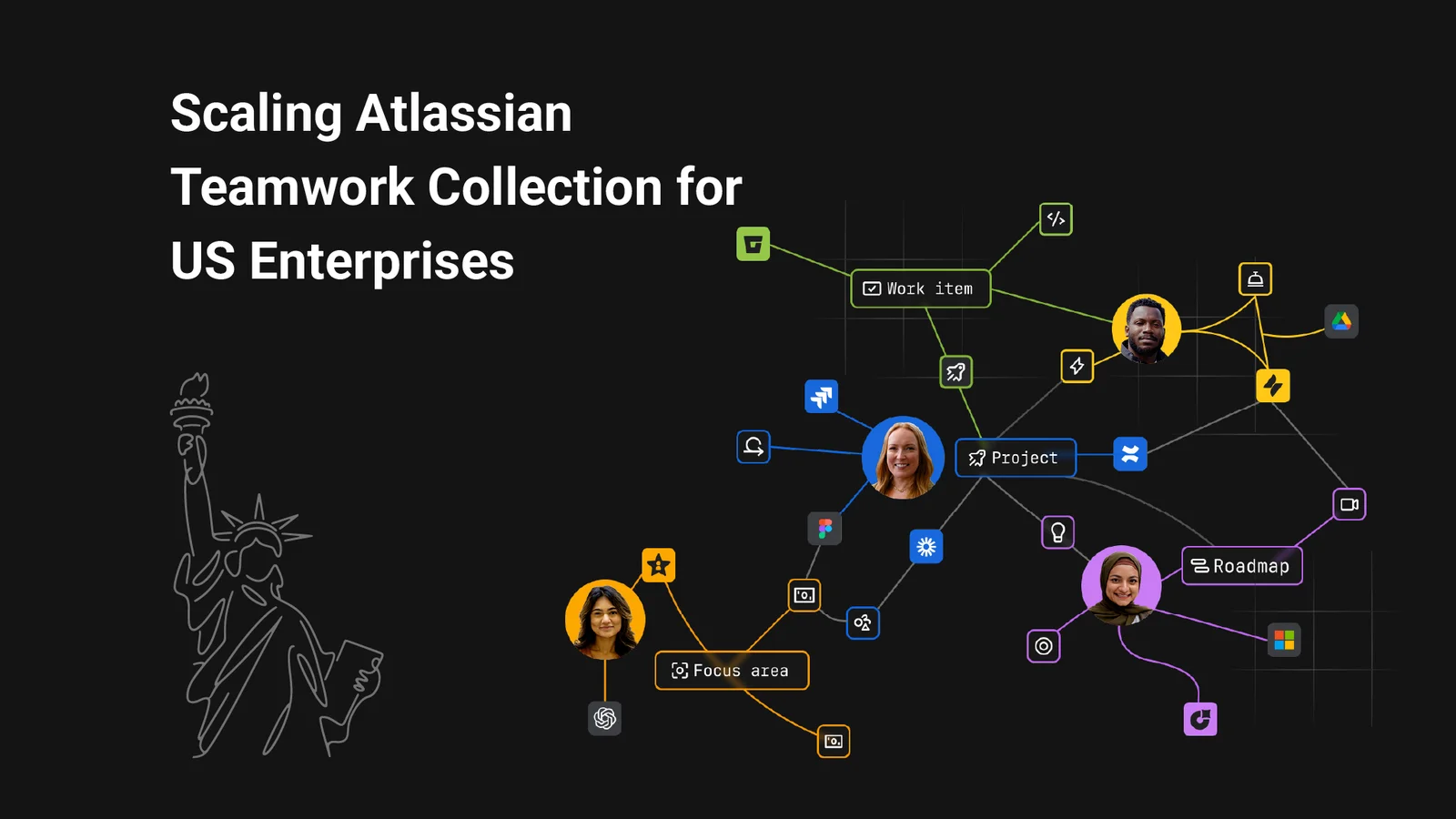
For US enterprises, Agile is no longer limited to software teams—it has become an enterprise-wide execution strategy.
As organizations scale delivery across engineering, IT, operations, and business teams, disconnected workflows and siloed collaboration create operational complexity. Many enterprises adopt Jira, Confluence, Loom and Rovo independently, but true transformation happens when these platforms work together as a connected system.
This is where the Atlassian Teamwork Collection (TWC) becomes critical.
When implemented strategically, TWC helps enterprises unify collaboration, delivery and knowledge sharing across teams. However, without the right implementation approach, scaling often results in:
- Inconsistent workflows
- Limited visibility across teams
- Fragmented governance
- Siloed knowledge and documentation
- Reduced operational efficiency
enreap helps enterprises implement Atlassian Teamwork Collection as a scalable, governed, and enterprise-ready collaboration platform aligned to business outcomes.
What Is Atlassian Teamwork Collection?
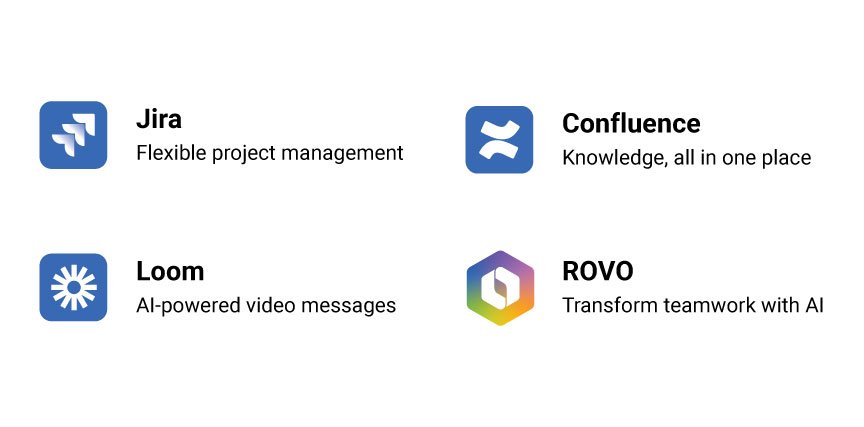
Atlassian Teamwork Collection (TWC) is Atlassian’s connected collaboration ecosystem designed to improve enterprise-wide execution and teamwork.
It combines:
- Jira Software
- Confluence
- Loom
- Rovo
into a unified system of execution.
For enterprises, TWC enables:
- Cross-functional collaboration
- Enterprise-wide visibility
- Standardized workflows
- Better alignment between business and technology teams
Instead of teams operating independently, TWC creates connected workflows across the organization.
Why Enterprises Are Moving Toward Connected Work Platforms
Modern enterprises are managing:
- Distributed teams
- Cloud-first operations
- AI-enabled workflows
- Increasing delivery complexity
Disconnected systems often create operational silos that slow collaboration and reduce visibility.
According to an Atlassian Teamwork study, organizations with aligned workflows and connected collaboration models are significantly more likely to improve productivity and cross-team execution.
This is why enterprises are moving from isolated tool adoption toward connected enterprise collaboration platforms like TWC.
Common Challenges in Scaling Atlassian Across Enterprises
As Atlassian adoption expands across teams and departments, enterprises commonly face:
- Disconnected tools
- Inconsistent project structures and workflows
- Limited visibility at program and portfolio levels
- Siloed documentation and poor knowledge sharing
- Lack of integration with DevOps and business systems
- Governance and scalability challenges
The result is simple:
The tools exist, but enterprise execution remains disconnected.
enreap’s Enterprise Approach to TWC Implementation
Business Outcomes Enterprises Achieve with TWC
With the right implementation strategy, enterprises gain:
- Standardized yet flexible workflows
- Better visibility across teams and departments
- Improved collaboration between business and IT teams
- Faster delivery cycles with reduced operational friction
- Stronger governance and compliance
Most importantly, organizations move from disconnected tool usage to connected enterprise execution.
Why US Enterprises Choose enreap
enreap focuses on long-term scalability, governance, and operational alignment—not just deployment.
Enterprises choose enreap because we:
- Design for enterprise scale from day one
- Align TWC with business and operational goals
- Enable adoption beyond engineering teams
- Build governance without reducing agility
- Prepare organizations for cloud, AI, and future growth
Our approach helps enterprises transform Atlassian platforms into connected systems of execution.
Build a Connected Enterprise with Atlassian Teamwork Collection
Scaling Atlassian across the enterprise requires more than tool adoption.
It requires:
- Governance
- Standardization
- Integration
- Visibility
- A scalable operating model
enreap helps US enterprises implement Atlassian Teamwork Collection as a unified, enterprise-grade collaboration platform built for long-term growth.
Talk to enreap About TWC Implementation in the USA